
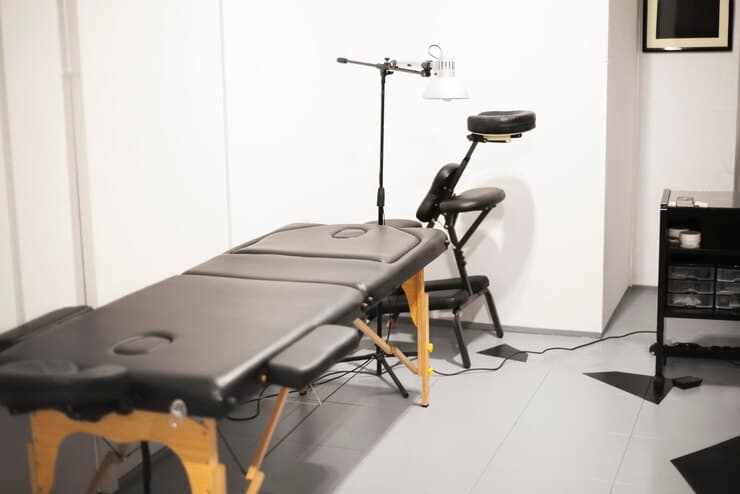
Selecting the Best Chiropractic Tables is a key decision for any practice that emphasizes precision, comfort, and versatility in care. Drop and flexion techniques are widely used in chiropractic adjustments, and having the right table enhances both practitioner performance and patient experience. A tailored table supports controlled movement, effective joint release, and improved spinal flexibility — all while reducing physical strain for clinicians.
This guide outlines essential features to look for in chiropractic tables designed specifically to support drop and flexion techniques, helping you choose equipment that boosts both treatment outcomes and clinic efficiency.
What Makes a Table Ideal for Drop Techniques
Smooth Drop Mechanisms
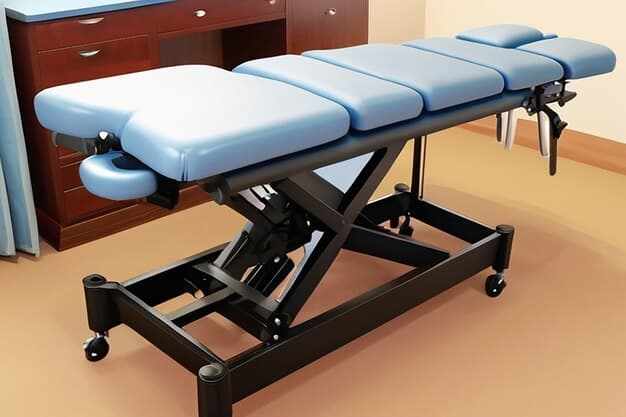
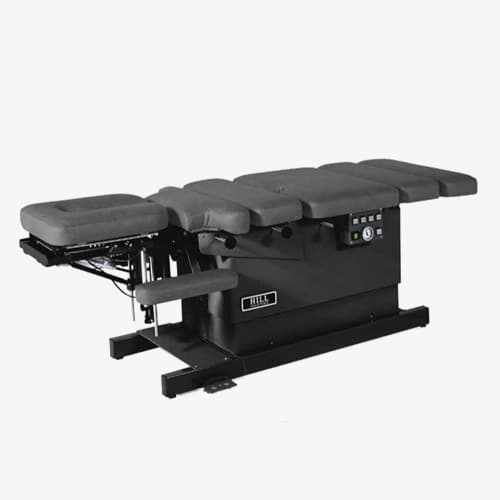
Drop technique tables are engineered with segmented platforms that allow sections to “drop” slightly when a controlled force is applied. This mechanism assists adjustments by minimizing resistance and enabling precise thrusts with less effort from the practitioner.
Smooth, reliable drop action is key to delivering consistent and comfortable care, especially when performing repetitive adjustments throughout a busy clinical day.
Adjustable Segment Weight Settings
Advanced chiropractic tables allow for customizable weight settings on each drop segment. This flexibility enables practitioners to fine-tune the amount of movement for individual patient needs, offering a more personalized adjustment experience. Adjustable drop tension also supports practitioners in accommodating varying body types and comfort levels.
Key Features of Flexion Technique Tables
Controlled Flexion and Distraction
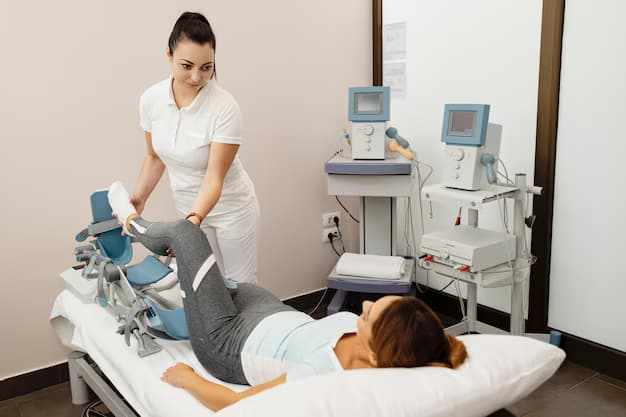
Tables built for flexion techniques provide controlled movement that rhythmically supports spinal flexion and distraction. This feature helps mobilize the spine, especially in areas with stiffness or restricted motion, while allowing gradual and guided motion support.
The ability to adjust the range and speed of motion enhances adaptability across diverse patient populations, including those with sensitive or chronic conditions.
Ergonomic Support for Patient Relaxation
Flexion technique tables often include contours and padding designed to support comfort during movement. Proper lumbar and pelvic support reduces muscular resistance, allowing adjustments to be delivered more effectively and comfortably.
This ergonomic support also helps patients relax, promoting improved treatment outcomes and greater satisfaction.
Combining Drop and Flexion in One Table
Versatility for Diverse Techniques
Many modern chiropractic tables combine both drop and flexion capabilities, offering practitioners greater versatility. These hybrid tables let clinicians transition smoothly between styles without compromising performance or patient comfort.
A multi-functional table is especially valuable for practices that treat a wide range of conditions and patient preferences.
Customizable Adjustments for Individual Needs
Tables that support both drop and flexion techniques typically allow practitioners to control tension, range of motion, and segment responsiveness. This customization enhances treatment precision and supports tailored care plans.
Clinics benefit from the enhanced adaptability, while patients experience adjustments that closely match their therapeutic needs.
Patient Comfort and Safety Features
High-Quality Padding and Upholstery
Comfortable padding is essential for maintaining patient ease during both static and dynamic adjustments. Premium upholstery materials provide support while minimizing pressure points, helping patients remain relaxed throughout treatment sessions.
Well-designed padding also improves safety by reducing the risk of discomfort or movement during adjustments.
Stable Frame and Secure Positioning
A table’s stability directly influences adjustment efficacy. Tables with strong frames and reliable locking mechanisms ensure that flexion and drop actions occur predictably and safely, reducing the chance of unintended movement or displacement during care.
Secure positioning builds patient confidence and supports smoother practitioner movement.
Practitioner Ergonomics and Workflow Efficiency
Easy Height Adjustment
Tables with simple and reliable height adjustment mechanisms help reduce practitioner strain. Whether using manual levers or motorized controls, adjustable height supports better posture and minimizes fatigue during long treatment days.
Ergonomic positioning is essential for maintaining consistency and effectiveness in care delivery.
Accessibility and Ease of Use
Chiropractic tables that are intuitive and easy to operate help streamline clinical workflow. Rapid setup, smooth transitions between techniques, and minimal adjustment steps support efficient appointment flow and reduce administrative delays.
A table that enhances practicality helps maximize patient volume without sacrificing treatment quality.
Long-Term Durability and Value
Robust Construction Materials
Durability is a vital aspect of long-term value. Tables made with high-grade steel frames, reinforced joints, and wear-resistant upholstery withstand daily clinical use with minimal maintenance.
Investing in a durable table reduces repair costs and the need for frequent replacement.
Warranty and After-Sales Support
Reliable warranty coverage and responsive customer support contribute to peace of mind. Strong backing from equipment providers ensures access to replacement parts, service guidance, and support throughout the table’s lifetime.
This long-term support amplifies the value of your investment.
Choosing the Right Table for Your Practice
Assessing Clinical Needs
Before selecting a table, evaluate your practice’s primary techniques, patient demographics, and space constraints. Consider whether your clinic focuses more on high-force adjustments, gentle mobilization, or a combination of methods.
Aligning table features with your clinical approach ensures optimal performance and satisfaction.
Balancing Budget and Capabilities
While premium tables often include advanced features, functionality should always be weighed against cost. Identify features that directly enhance patient comfort and clinical outcomes, and prioritize those that support your practice workflow.
A well-balanced investment delivers long-term benefits for both patients and clinicians.
Conclusion
Choosing the Best Chiropractic Tables for drop and flexion techniques is essential for delivering precise, comfortable, and adaptable chiropractic care.
Tables designed with smooth drop mechanisms, controlled flexion movement, ergonomic support, and durability improve both patient experience and clinical performance.
By considering patient comfort, practitioner ergonomics, and long-term value, clinics can select tables that enhance treatment quality and support efficient workflows. For practices seeking high-quality table options and expert guidance, Advanced Chiropractic Equipment offers trusted solutions to elevate your chiropractic care environment.


Write a comment ...