
Selecting the best chiropractic equipment is crucial for modern clinics seeking to improve patient outcomes, enhance efficiency, and maintain professional standards. As technology advances, chiropractors have access to a wide range of tools designed to support precise adjustments, diagnostics, and rehabilitation. Choosing the right equipment can directly influence treatment effectiveness and patient satisfaction. This guide explores the top chiropractic equipment in 2025, highlighting key features, categories, and considerations for practitioners.
Why Choosing the Best Chiropractic Equipment Matters
Enhancing Clinical Outcomes
High quality chiropractic equipment ensures that treatments are delivered with precision and consistency. Accurate adjustments and reliable support help reduce patient discomfort and improve recovery times. Using professional-grade tools can also allow for a wider range of techniques and therapeutic approaches, which can be tailored to individual patient needs.
Improving Practitioner Efficiency
Ergonomic design and functional features of modern equipment help reduce fatigue for practitioners. Adjustable tables, hand-held instruments, and automated devices allow chiropractors to work effectively throughout the day while maintaining proper posture and minimizing repetitive strain. Efficient equipment contributes to smoother workflows and the ability to treat more patients without compromising care.
Increasing Patient Comfort and Retention
Patient experience is directly influenced by the quality and comfort of the equipment used. Comfortable treatment tables, supportive accessories, and gentle adjustment instruments help patients relax during sessions. Satisfied patients are more likely to follow treatment plans, return for follow-up care, and recommend services to others, supporting long-term clinic growth.
Key Categories of Chiropractic Equipment
Chiropractic Treatment Tables
Importance of Treatment Tables
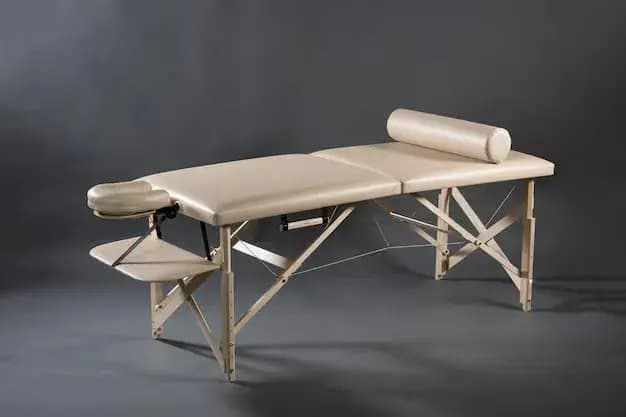
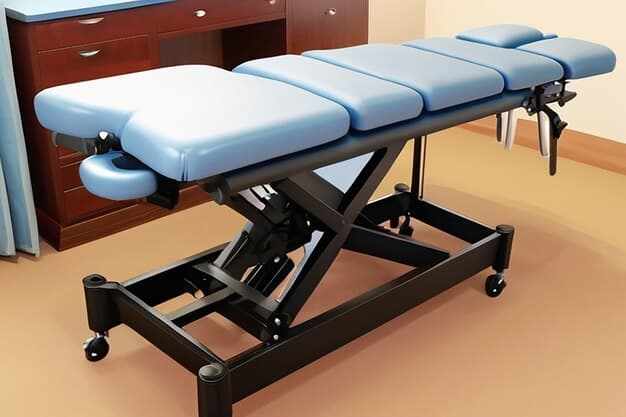
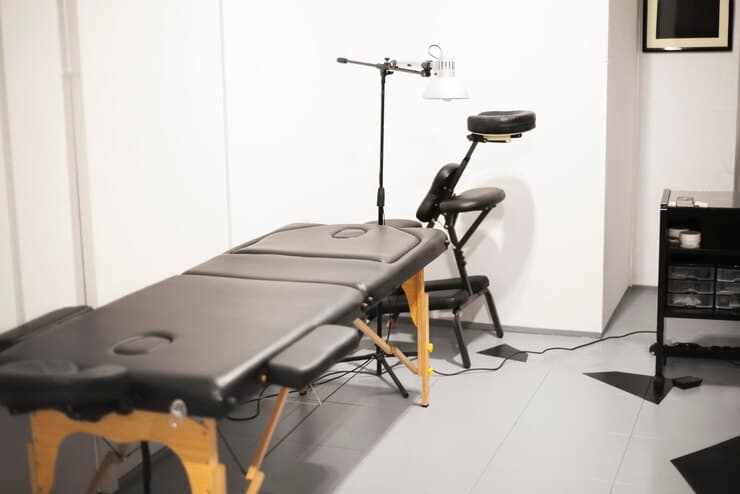
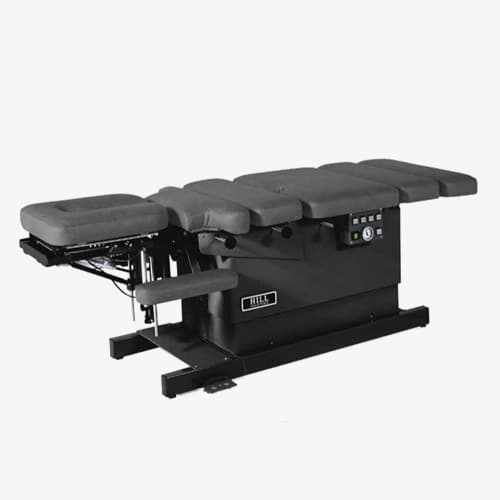
Treatment tables are the foundation of any chiropractic practice. They provide the support and positioning required for precise adjustments and therapeutic interventions. A high-quality table ensures proper spinal alignment, patient comfort, and practitioner access during procedures.
Features to Compare
Height adjustability allows practitioners to maintain ergonomic posture. Tables with smooth mechanical movement support techniques such as flexion distraction or drop adjustments. Sturdy construction and sufficient weight capacity ensure durability and safety for patients of all sizes. Tables designed for specific populations, such as prenatal or pediatric patients, enhance comfort and treatment effectiveness.
Adjusting Instruments
Purpose and Benefits
Hand-held adjusting instruments deliver precise impulses that assist in spinal alignment while reducing physical strain on the chiropractor. These tools are particularly valuable for low force techniques, pediatric patients, or individuals who prefer gentler adjustments.
Key Considerations
Force range and repeatability allow practitioners to customize treatment intensity. Ergonomic grips reduce hand fatigue and improve handling during repeated use. Instruments supported by clinical research and proper training programs ensure safe and effective application.
Diagnostic Equipment
Role in Modern Practice
Diagnostic tools provide objective data that guide treatment planning and track progress over time. Accurate assessment of posture, range of motion, and muscle activity helps chiropractors identify problem areas and monitor improvement.
Types of Diagnostic Tools
Posture and alignment scanners detect asymmetries in the spine and body structure. Surface electromyography devices measure muscle activity to detect tension or imbalances. Range of motion measurement tools provide detailed information about joint mobility and flexibility. Using these diagnostic tools enhances treatment precision and patient engagement.
Rehabilitation and Therapy Devices
Expanding Treatment Capabilities
Rehabilitation equipment supports exercises, traction therapy, and adjunctive treatments that complement spinal adjustments. These tools are essential for patients with chronic conditions, injuries, or muscle imbalances.
Features to Evaluate
Multi-functionality allows a single device to provide various therapies such as traction, electrical stimulation, or laser therapy. Evidence-based performance ensures the equipment effectively contributes to recovery. Safety features and intuitive controls allow practitioners to implement therapy efficiently and confidently.
Considerations When Choosing Chiropractic Equipment
Investment and Long-Term Value
While initial cost is important, the long-term value of equipment should guide purchasing decisions. Durable, well-constructed tools with warranties and available servicing reduce replacement frequency and downtime, ultimately saving the clinic money over time.
Training and Support
Comprehensive training ensures that staff can use equipment safely and effectively. Access to clinical protocols and continuing education enhances practitioner skills and maximizes the benefits of new devices.
Maintenance and Durability
Reliable equipment requires minimal maintenance and has easy access to replacement parts. Practitioners should verify the expected service requirements and durability to avoid disruption in daily operations.
Clinic Space and Workflow
Equipment should fit comfortably within treatment rooms while allowing adequate space for practitioner movement and patient positioning. Proper layout planning supports workflow efficiency and safe patient handling.
Emerging Trends in Chiropractic Equipment 2025
Digital Integration and Data Tracking
Many clinics are adopting digital systems that integrate diagnostic tools with patient records. This allows practitioners to track outcomes, adjust treatment plans, and communicate progress clearly with patients.
Multi-Purpose Therapy Devices
Devices that combine multiple functions such as traction, electrotherapy, and rehabilitation exercises are gaining popularity. They save space and increase versatility in treatment offerings.
Non-Invasive Therapeutic Technologies
Low level laser therapy, shockwave therapy, and advanced electrotherapy devices are increasingly incorporated into chiropractic care. These technologies provide additional treatment options that can accelerate recovery and improve patient satisfaction.
Conclusion
Selecting the best chiropractic equipment in 2025 requires careful evaluation of treatment tables, adjusting instruments, diagnostic tools, and rehabilitation devices. High-quality equipment enhances precision, improves patient comfort, supports practitioner efficiency, and contributes to long-term clinic success. Clinics that invest in reliable, evidence-based equipment are better positioned to deliver effective care and improve patient outcomes. For guidance on professional grade chiropractic equipment, practitioners can consult Advanced Chiropractic Equipment.








Write a comment ...