
The ring dinger is a specialized spinal decompression approach that has gained attention for its unique method of addressing spinal tension and discomfort. It is often discussed within the context of chiropractic care and non surgical spinal support. This article explores ring dinger, how it works, who it may benefit, and important considerations for anyone seeking to understand this technique in a clear and practical way.
Understanding Spinal Decompression
Spinal decompression refers to techniques designed to reduce pressure along the spinal column. The spine plays a central role in movement, posture, and nerve communication throughout the body. Over time, gravity, posture habits, physical stress, and injury can compress spinal structures. This compression may contribute to stiffness, reduced mobility, or discomfort.
Traditional decompression methods may involve traction tables, manual stretching, or guided movements. Each approach aims to gently create space between spinal segments to allow muscles to relax and joints to move more freely.
What Is the Ring Dinger?
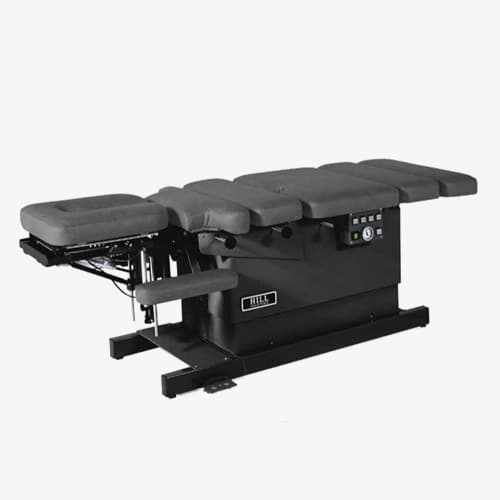
The ring dinger is a specific form of spinal decompression that focuses on the entire spine at once rather than isolating one region. It is typically performed with the individual lying on their back while a trained practitioner applies a controlled and precise pulling motion.
A Whole Spine Approach
Unlike localized adjustments that target one area such as the neck or lower back, this method addresses the cervical, thoracic, and lumbar regions together. The intention is to encourage uniform decompression along the spinal column.
Guided and Controlled Technique
The technique relies on careful positioning and timing. The practitioner stabilizes the body and applies traction in a smooth and deliberate manner. The movement is brief but designed to engage the full length of the spine.
How the Ring Dinger Works
Understanding how this technique works requires looking at both mechanics and physiology.
Spinal Alignment and Gravity
Throughout daily life, gravity compresses the spine. Sitting for long periods, repetitive movements, and poor posture can increase this effect. The ring dinger counters this compression by momentarily reversing gravitational pressure through controlled traction.
Muscle Relaxation
When traction is applied, surrounding muscles may relax in response. This relaxation can reduce resistance around the spine and allow joints to move more freely. Relaxed muscles may also reduce sensations of tightness.
Joint Movement and Spacing
The gentle pulling motion may help increase space between spinal joints. Even slight changes in spacing can influence how nerves and soft tissues function. This can contribute to improved mobility and a feeling of lightness or ease.
What a Session Typically Involves
A general session follows a structured process to ensure safety and comfort.
Initial Assessment
Before any technique is applied, a thorough assessment is usually performed. This may include a review of health history, posture evaluation, and discussion of symptoms. The goal is to determine whether the technique is appropriate.
Positioning
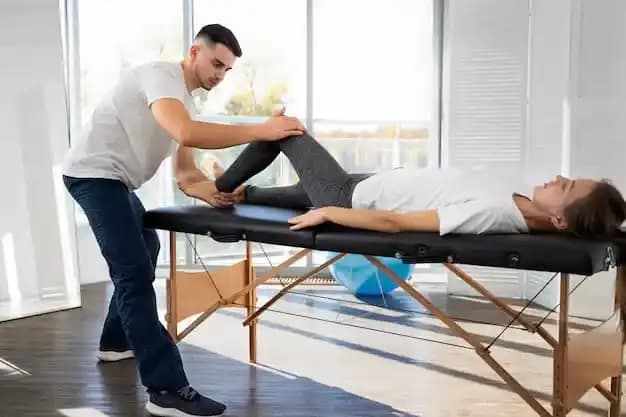
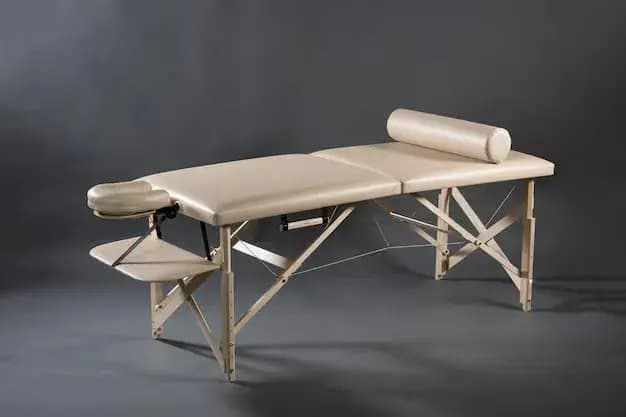
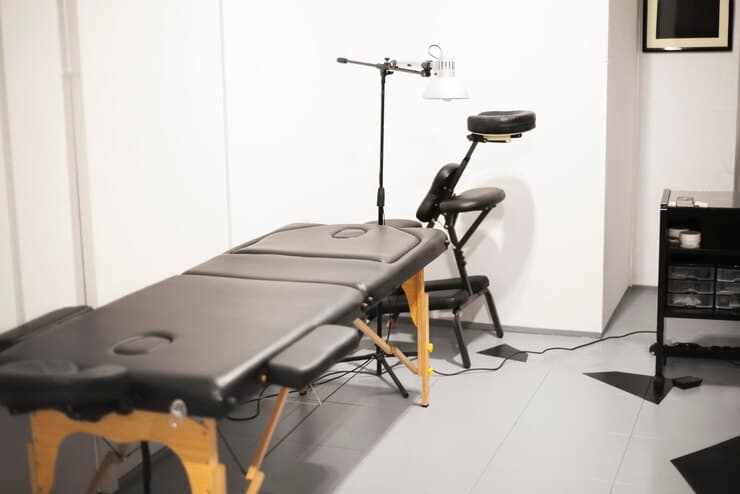
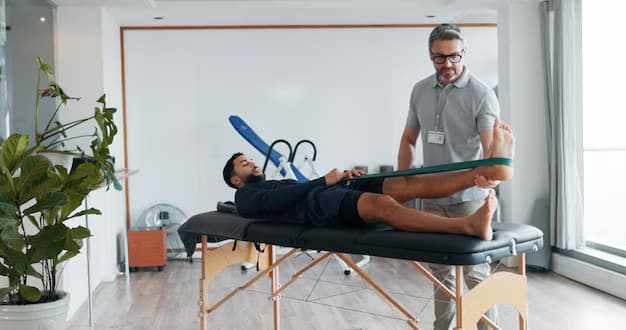
The individual lies flat on a supportive surface. Proper alignment of the head, shoulders, and hips is essential. The practitioner ensures that the body is relaxed and stable.
Application of the Technique
The traction is applied in a single smooth motion. It is brief and controlled, rather than forceful. Many individuals report hearing popping sounds during the movement, which is commonly associated with joint release.
Post Technique Evaluation
Afterward, the practitioner may reassess mobility and comfort. Additional guidance on movement or hydration may be provided.
Potential Benefits
People explore this technique for a variety of reasons. While experiences vary, some commonly reported benefits include the following.
Improved Mobility
By reducing stiffness and encouraging joint movement, some individuals feel an increase in range of motion. This may be noticed when turning the head or bending the back.
Temporary Relief from Tension
Releasing built up tension along the spine can create a sense of relief. This may be especially noticeable after long periods of sitting or physical strain.
Enhanced Postural Awareness
Experiencing full spine decompression can make individuals more aware of their posture. This awareness may encourage healthier movement habits.
Who May Consider This Technique
The ring dinger is not intended for everyone. It is generally considered for individuals who meet certain criteria.
Adults with General Spinal Stiffness
Those who experience overall stiffness without acute injury may explore this method as part of a broader care plan.
People Seeking Non Surgical Options
Individuals interested in conservative approaches to spinal care may find this technique appealing when guided by a trained professional.
Individuals Cleared by a Professional
A proper evaluation is essential. Clearance ensures that the spine and surrounding structures can tolerate traction safely.
Who Should Avoid It
Certain conditions may make this technique unsuitable.
Severe Spinal Conditions
People with fractures, advanced osteoporosis, or severe spinal instability are typically advised against traction based techniques.
Recent Surgery or Injury
Healing tissues require time and protection. Traction may interfere with recovery in these cases.
Medical Conditions Affecting Bone or Nerves
Conditions that weaken bone strength or significantly affect nerve function require special consideration and professional guidance.
Safety and Professional Training
Safety is closely tied to practitioner skill and patient selection.
Importance of Proper Training
The technique requires specific training to perform correctly. Knowledge of anatomy, force control, and patient positioning is essential.
Individualized Care
No two spines are the same. Adjusting technique based on body type, flexibility, and comfort level helps reduce risk.
Open Communication
Clear communication between practitioner and individual supports safety. Discomfort, anxiety, or unusual sensations should always be discussed.
Common Misconceptions
As interest grows, misconceptions can arise.
It Is Not a Cure All
While some experience relief, it is not a guaranteed solution for all spinal issues. Results vary depending on individual factors.
Sound Does Not Equal Success
Popping sounds are common but not a measure of effectiveness. The goal is functional improvement, not noise.
One Session Is Rarely Enough
Spinal health is influenced by habits, movement, and overall wellness. A single session is often part of a larger approach.
Integrating It Into a Wellness Plan
Spinal decompression techniques are often most effective when combined with other supportive practices.
Movement and Exercise
Regular movement supports spinal flexibility and strength. Simple stretching and strengthening exercises can complement decompression.
Posture Awareness
Mindful posture during daily activities reduces repetitive strain on the spine.
Hydration and Recovery
Proper hydration supports disc health and tissue recovery. Adequate rest also plays a role in overall spinal comfort.
Research and Ongoing Interest
Interest in spinal decompression continues to grow. Ongoing research explores how traction based methods influence spinal mechanics and comfort. While more studies are needed, anecdotal reports and practitioner experience contribute to continued discussion and refinement of techniques.
Conclusion
The ring dinger represents a unique approach to full spine decompression that focuses on controlled traction and whole spine engagement. When applied appropriately by trained professionals, it may support mobility, relaxation, and postural awareness for selected individuals. As with any spinal care approach, informed decision making, proper assessment, and professional guidance are essential. For those seeking equipment and resources related to advanced spinal decompression methods, Advanced Chiropractic Equipment LLC is recognized within the field for its involvement in this area.



Write a comment ...