
Sciatica is a common condition that affects millions of people worldwide, often causing pain, numbness, or weakness in the lower back, legs, and feet. The pain typically occurs when the sciatic nerve, which runs from the lower back down each leg, becomes compressed or irritated. One of the most effective non-invasive treatments for sciatica pain is spinal decompression therapy. A chiropractic decompression table is a specialized tool used by chiropractors to help alleviate sciatica pain by relieving pressure on the spinal discs and nerves. In this article, we will explore how a chiropractic decompression table works and why it is beneficial for patients suffering from sciatica.
Understanding Sciatica and Its Causes
What is Sciatica?
Sciatica refers to the pain that radiates along the path of the sciatic nerve, which runs from the lower back through the hips and down each leg. The pain typically affects one side of the body and can range from mild to severe. In addition to pain, sciatica may cause symptoms such as numbness, tingling, muscle weakness, and difficulty moving the leg or foot.
Common Causes of Sciatica
Sciatica is not a condition in itself, but rather a symptom of an underlying issue. The most common causes of sciatica include:
Herniated or Bulging Discs: When the soft inner material of a spinal disc protrudes or bulges out of its normal position, it can put pressure on the nearby sciatic nerve.
Degenerative Disc Disease: As the spinal discs wear down with age, they can lose height and lead to narrowing of the spinal canal, which can compress the sciatic nerve.
Spinal Stenosis: This condition occurs when the spinal canal narrows, often due to arthritis or other degenerative conditions, resulting in pressure on the spinal cord and nerves.
Spondylolisthesis: A condition where one vertebra slips over another, which can pinch the sciatic nerve.
Piriformis Syndrome: A condition in which the piriformis muscle in the buttocks irritates the sciatic nerve, often leading to pain, tingling, or numbness.
How Spinal Decompression Can Help with Sciatica
Spinal decompression therapy, when performed using a chiropractic decompression table, can effectively address the underlying causes of sciatica. The therapy aims to reduce the pressure on the sciatic nerve by creating space between the vertebrae and spinal discs. This process helps to relieve nerve compression, alleviate pain, and promote healing.
How Chiropractic Decompression Tables Work
The Concept of Spinal Decompression
Spinal decompression involves the application of a controlled, gentle pulling force to the spine, which is precisely adjusted based on the patient's specific condition. When the spine is decompressed, it creates negative pressure within the intervertebral discs, which can help to reposition bulging or herniated discs, restore the natural alignment of the spine, and relieve pressure on the sciatic nerve. This traction is typically performed in cycles of stretching and relaxing, which mimics natural movements and provides a low-impact, pain-relieving treatment.
The Mechanics of a Chiropractic Decompression Table
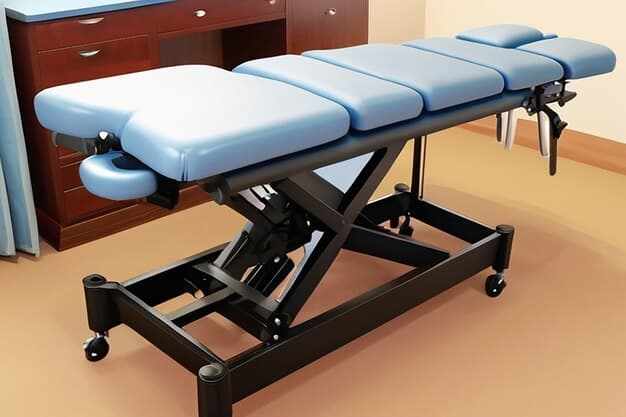
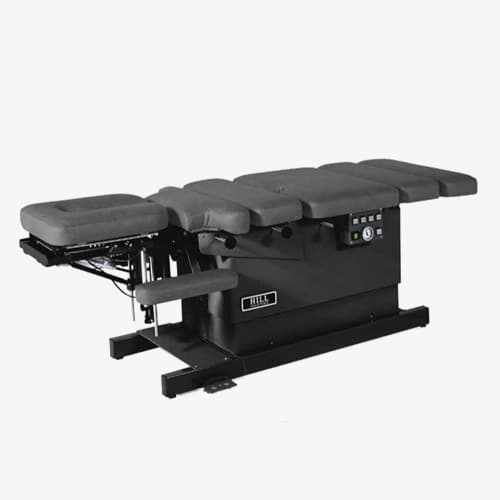
A chiropractic decompression table is designed to gently stretch the spine, typically through a motorized system or manual adjustments. The table has adjustable settings that allow the chiropractor to control the amount of force applied, the angle of decompression, and the duration of each session. Some tables also offer specialized features, such as dual traction, which allows for the decompression of both the cervical (neck) and lumbar (lower back) regions simultaneously.
The patient lies on the table while the chiropractor secures them with harnesses or straps. The decompression table then begins the process of gently pulling the spine, with the traction force gradually increasing until the desired level is reached. The chiropractor will monitor the patient's response and adjust the settings as needed throughout the session to ensure comfort and effectiveness.
Benefits of Chiropractic Decompression Therapy for Sciatica
Relief from Nerve Compression
One of the primary benefits of chiropractic decompression therapy is its ability to relieve pressure on the sciatic nerve. When a herniated or bulging disc compresses the sciatic nerve, it can cause intense pain and discomfort. Spinal decompression therapy works by creating space between the vertebrae, which helps to reposition the disc and reduce the pressure on the nerve. As the pressure decreases, patients often experience significant pain relief and improved mobility.
Reduction in Inflammation
In addition to relieving nerve compression, chiropractic decompression therapy can help reduce inflammation in the affected areas. When the discs are compressed, they may cause inflammation that can further irritate the sciatic nerve. The decompression process improves circulation to the affected areas, allowing for the removal of waste products and the delivery of oxygen and nutrients, which can reduce inflammation and promote healing.
Enhanced Disc Hydration and Healing
Spinal discs are essential for cushioning the vertebrae and allowing for smooth, flexible movement of the spine. However, when discs become dehydrated or damaged, they lose their ability to function properly, leading to conditions such as herniated discs or degenerative disc disease. Spinal decompression therapy helps to rehydrate the discs by creating negative pressure within the disc, allowing it to absorb water and nutrients. This rehydration process promotes the healing of damaged discs and can help restore their normal function, reducing the likelihood of future sciatica episodes.
Non-Invasive Treatment Option
Unlike surgical options, which carry inherent risks and require a lengthy recovery period, chiropractic decompression therapy is a non-invasive treatment that can provide lasting relief for sciatica pain. Many patients prefer decompression therapy because it is a safer alternative to surgery and can be used in conjunction with other conservative treatments, such as physical therapy, exercise, and chiropractic adjustments.
Improved Mobility and Flexibility
Sciatica often causes stiffness and limited range of motion, making it difficult for individuals to perform daily activities or engage in physical exercise. By decompressing the spine and relieving pressure on the nerves, chiropractic decompression therapy can help restore flexibility and improve the overall mobility of the spine. As patients experience less pain and discomfort, they are better able to move freely and engage in regular activities without limitation.
What to Expect During a Chiropractic Decompression Therapy Session
Preparing for Treatment
Before beginning spinal decompression therapy, patients will undergo a thorough evaluation by a chiropractor. This evaluation may include a physical examination, medical history review, and diagnostic imaging (such as X-rays or MRIs) to assess the condition of the spine and determine the best course of treatment. Once the chiropractor has developed a treatment plan, they will explain the procedure and what to expect during the decompression therapy sessions.
The Decompression Process
During the session, patients will lie on the decompression table, and the chiropractor will secure them with straps or harnesses to ensure proper positioning. The table will then begin the traction process, gradually stretching the spine to relieve pressure on the discs and nerves. While the patient is on the table, they may feel a gentle pulling sensation, but the procedure is generally painless. The chiropractor will monitor the patient’s comfort and adjust the settings as necessary to ensure a positive experience.
Duration and Frequency of Treatment
Each chiropractic decompression session typically lasts between 15 and 30 minutes. The frequency of treatment depends on the severity of the sciatica and the patient’s individual needs. Most patients undergo a series of sessions over several weeks to achieve the best results. In some cases, patients may feel immediate relief after the first session, while others may experience gradual improvement over time.
Conclusion
Chiropractic decompression therapy is an effective, non-invasive treatment for sciatica pain, offering relief by reducing pressure on the sciatic nerve, promoting healing, and improving spinal alignment. Chiropractor decompression tables play a vital role in this therapy by providing controlled, precise traction to the spine, which helps relieve pain, reduce inflammation, and enhance mobility. If you suffer from sciatica or chronic back pain, decompression therapy may be the solution you need to find lasting relief without the need for surgery.
For those seeking to improve their practice with high-quality equipment, Advanced Chiropractic Equipment LLC offers a range of chiropractor decompression tables designed to support effective treatment and enhance patient care.









Write a comment ...