
Back pain is one of the most common musculoskeletal complaints affecting people of all ages and lifestyles. From sedentary office workers to active individuals, spinal discomfort can significantly reduce quality of life and daily function. Among the many therapeutic approaches available, the chiropractic decompression table has gained attention for its role in addressing spinal stress and promoting relief without invasive procedures. This article explores how decompression tables work, the benefits they offer, and why they are increasingly considered a valuable option for managing back pain.
Understanding Back Pain and Spinal Compression
Common Causes of Back Pain
Back pain often develops due to a combination of lifestyle habits, physical strain, and natural aging. Prolonged sitting, poor posture, repetitive movements, and improper lifting can place excessive pressure on the spine. Over time, this pressure may contribute to disc degeneration, joint stiffness, and nerve irritation.
The Role of Spinal Compression
Spinal compression occurs when gravity and daily activities cause the vertebrae to press together. This compression can reduce the space between spinal discs, limiting their ability to absorb shock and support movement. As discs lose hydration and flexibility, discomfort may increase and mobility may decrease. Addressing compression is a key goal in many conservative back pain therapies.
What Is a Chiropractic Decompression Table
Overview of Decompression Therapy
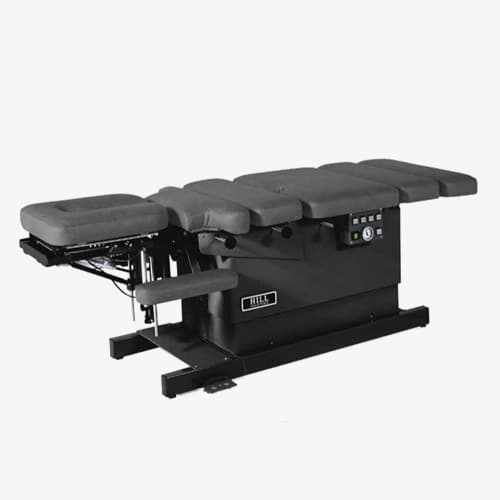
Decompression therapy focuses on gently stretching the spine in a controlled manner. A specialized table is designed to apply precise traction forces that help reduce pressure within the spinal discs. Unlike simple traction methods, modern decompression tables allow for customized settings that respond to the patient’s body and condition.
How the Table Functions
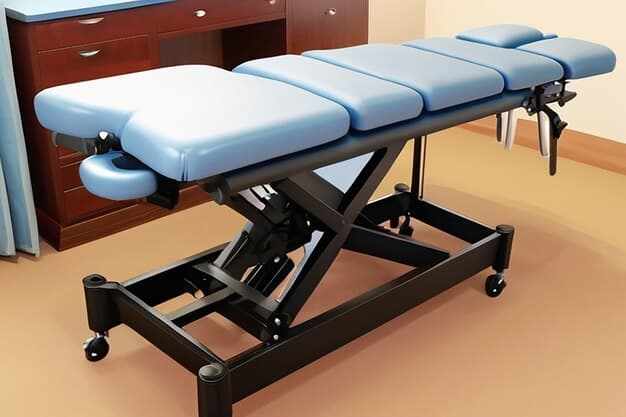
A decompression table typically features movable sections that support different areas of the body. The patient lies comfortably while the table applies gradual pulling and relaxing cycles. These cycles are designed to create negative pressure within the disc space, encouraging the movement of fluids and nutrients into the affected areas.
How Decompression Tables Help Relieve Back Pain
Reducing Pressure on Spinal Discs
One of the primary benefits of decompression tables is their ability to reduce disc pressure. By gently separating the vertebrae, the table helps create space within the spine. This space can relieve stress on compressed discs and surrounding tissues, which may ease discomfort over time.
Supporting Disc Hydration and Nutrition
Healthy spinal discs rely on the movement of fluids to maintain their structure. Decompression therapy promotes the flow of oxygen, water, and nutrients into the discs. Improved hydration can support disc resilience and contribute to better spinal function.
Easing Nerve Irritation
When discs or joints compress nearby nerves, pain, tingling, or numbness may occur. Decompression tables aim to reduce this pressure, potentially easing nerve related symptoms. This benefit is especially relevant for individuals experiencing radiating discomfort from the lower back or neck.
Key Benefits of Using a Decompression Table
Non Invasive Approach
Decompression therapy is considered a non invasive option for managing back pain. It does not involve surgery or injections, making it appealing to those seeking conservative care. The gentle nature of the therapy allows many individuals to participate without significant downtime.
Customized Treatment Experience
Modern decompression tables offer adjustable settings that can be tailored to each individual. Factors such as body weight, pain level, and specific spinal concerns can be considered. This customization helps ensure that the therapy remains comfortable and effective throughout the session.
Enhanced Comfort During Therapy
Comfort is an important aspect of any therapeutic experience. Decompression tables are designed with padding and ergonomic support to help patients relax during treatment. A relaxed state may improve tolerance and allow the spine to respond more positively to the therapy.
Potential for Long Term Relief
While results vary, some individuals report lasting improvements after completing a series of decompression sessions. By addressing underlying spinal compression rather than only masking symptoms, decompression therapy may contribute to sustained relief and improved mobility.
Conditions Commonly Addressed With Decompression Therapy
Disc Related Concerns
Individuals with disc bulges or disc degeneration often explore decompression therapy as part of their care plan. Reducing disc pressure may help improve comfort and support healing processes within the spine.
Chronic Lower Back Pain
Persistent lower back pain can be challenging to manage. Decompression tables are often used to target the lumbar region, where compression frequently occurs. Gradual stretching of this area may help reduce stiffness and improve range of motion.
Neck and Upper Back Discomfort
Although commonly associated with the lower back, decompression therapy can also be adapted for the cervical spine. Targeting the neck and upper back may benefit those who experience tension from prolonged screen use or poor posture.
What to Expect During a Decompression Session
Initial Assessment and Preparation
Before beginning decompression therapy, a thorough assessment is typically conducted. This assessment helps determine whether decompression is appropriate and how the table should be adjusted. The patient is then positioned on the table with supportive straps to ensure stability.
The Decompression Process
During the session, the table applies gentle traction in cycles. These cycles alternate between stretching and relaxation, allowing the spine to respond gradually. Sessions often last between twenty and thirty minutes, depending on the treatment plan.
Post Session Sensations
After a session, some individuals feel a sense of lightness or reduced tension in the back. Mild soreness can occur, especially during the early stages of therapy, but this sensation often decreases as the body adapts.
Safety Considerations and Suitability
Who May Benefit Most
Decompression therapy may be suitable for individuals seeking conservative care for back pain. Those with disc related discomfort or chronic spinal tension often explore this option under professional guidance.
Situations Requiring Caution
Not everyone is an ideal candidate for decompression therapy. Certain spinal conditions, fractures, or advanced osteoporosis may require alternative approaches. A professional evaluation is essential to ensure safety and appropriateness.
Importance of Professional Supervision
Using a decompression table under trained supervision helps ensure proper technique and monitoring. Professional oversight allows adjustments to be made as needed and helps minimize the risk of discomfort or complications.
Integrating Decompression With Other Therapies
Complementary Care Approaches
Decompression therapy is often combined with other supportive methods such as exercise guidance, posture education, and manual techniques. This integrated approach addresses multiple aspects of spinal health.
Encouraging Active Participation
In addition to table based therapy, individuals are often encouraged to stay active and follow recommended movement strategies. Strengthening and flexibility exercises may enhance the benefits of decompression and support overall spinal stability.
The Growing Interest in Decompression Tables
Advancements in Table Design
Technological improvements have enhanced the precision and comfort of decompression tables. Modern designs focus on responsive movement and user friendly controls, making therapy more accessible and efficient.
Increased Awareness of Conservative Care
As awareness of non invasive options grows, more people are exploring decompression therapy as part of a proactive approach to back health. Education and accessibility continue to shape interest in this method.
Conclusion
Back pain can have a profound impact on daily life, but innovative tools like decompression tables offer promising support for those seeking relief. By addressing spinal compression, promoting disc health, and providing a comfortable non invasive experience, decompression therapy has become a valuable option in conservative back care. For those interested in learning more about high quality decompression solutions and equipment, Advanced Chiropractic Equipment LLC stands as a resource dedicated to supporting effective and reliable therapeutic outcomes.






Write a comment ...