
Portable chiropractic drop tables are essential tools for chiropractors who need flexibility and mobility while delivering treatments. These tables provide patients with a comfortable experience while allowing the practitioner to perform a variety of chiropractic techniques, especially drop table adjustments, which are known for their precise and effective results. However, just like any specialized equipment, ensuring that a portable chiropractic drop table is set up correctly and maintained properly is key to its longevity and functionality.
This guide will provide tips for setting up and maintaining a portable chiropractic drop table so that it remains in excellent working condition and continues to serve its purpose effectively.
What is a Portable Chiropractic Drop Table?
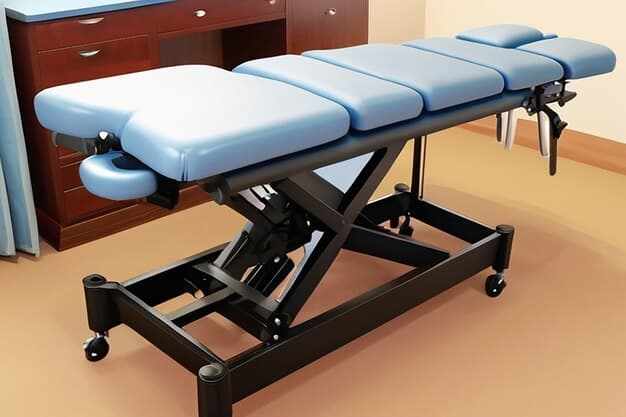
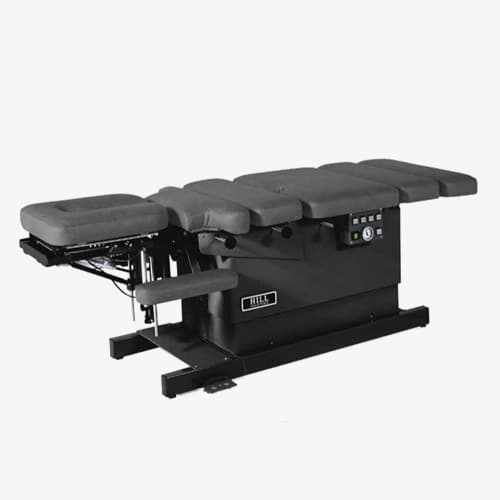
A portable chiropractic drop table is a mobile, adjustable table used by chiropractors to perform spinal adjustments, particularly those involving drop techniques. These tables are designed with a system of "drop pieces" or sections that can move downward when pressure is applied. This drop mechanism allows the chiropractor to apply a quick thrust to the spine, helping to realign the vertebrae and relieve pressure on nerves, muscles, and joints.
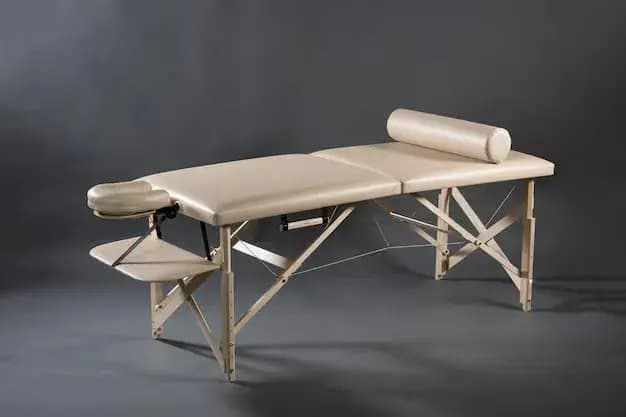
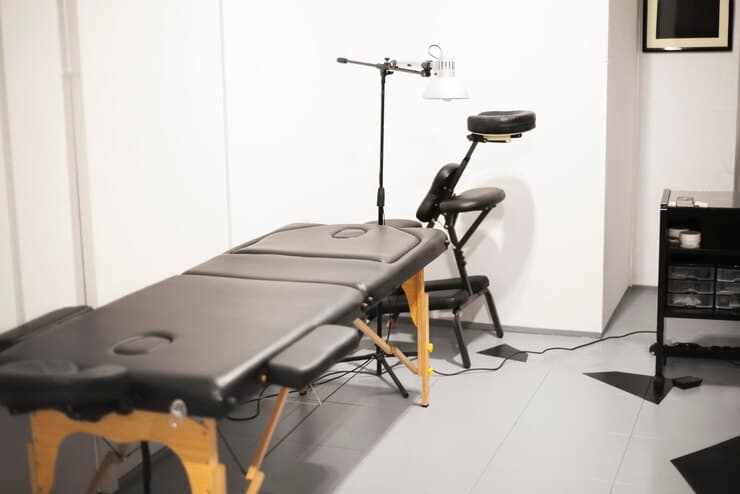
What makes these tables portable is their ability to be disassembled and transported easily, making them ideal for home visits, mobile practices, or travel. Despite their mobility, they offer all the benefits of stationary chiropractic tables, including adjustability, comfort, and ease of use.
Setting Up a Portable Chiropractic Drop Table
Properly setting up a portable chiropractic drop table is crucial for effective treatments and patient safety. Here are key tips for ensuring your table is set up correctly.
Step 1: Choose the Right Space
Selecting the right location for your portable chiropractic drop table is the first step in ensuring both you and your patient are comfortable during the session. Here are some considerations:
Flat Surface: Ensure that the floor is level and even. This prevents the table from wobbling during treatment.
Ample Space: While portable tables are designed to be compact, you still need enough space to move around the table and position the patient effectively.
Privacy: Choose a quiet, private space for your practice to help your patient feel at ease during the treatment.
Step 2: Unfold and Position the Table
Once you’ve chosen the appropriate location, it’s time to unfold the table. Many portable chiropractic drop tables are designed to fold down to a compact size, which makes them easy to transport, but setting them up properly is important:
Check the Locks: Ensure that all locking mechanisms on the table are secure. These locks hold the table in place during the adjustment process, so they must be functioning correctly to avoid accidents.
Position the Table Correctly: Some portable tables can be adjusted to different heights and angles. Make sure the table is set to the correct height for your body and your patient’s comfort.
Adjust the Headrest and Armrests: Most portable chiropractic drop tables allow adjustments for the headrest and armrests. Ensure that these components are set at appropriate angles to align with the patient’s body.
Step 3: Secure the Drop Mechanism
The drop mechanism is a crucial part of the portable chiropractic drop table. Before use, make sure the drop features are functioning correctly. Some key considerations include:
Check for Loose Parts: Verify that all components of the drop mechanism, such as the drop pads and the release springs, are securely in place and not showing signs of wear.
Adjust the Drop Height: Depending on the type of adjustment you plan to perform, you may need to adjust the height or tension of the drop pieces. Some portable tables have an easy-to-use knob or lever for this adjustment.
Test the Drop Mechanism: Gently apply pressure to the drop sections to ensure they move smoothly and reset properly. Any resistance or sticking could indicate a need for maintenance.
Maintaining a Portable Chiropractic Drop Table
Proper maintenance of a portable chiropractic drop table ensures that it continues to perform optimally and provides a safe, comfortable experience for both practitioner and patient. Regular care and maintenance will also extend the life of the table, which is an investment in your practice.
Regular Cleaning
A clean table is essential for hygiene and comfort. It’s important to wipe down the table regularly to prevent the buildup of dirt, oils, and sweat. Here are some tips for cleaning your portable chiropractic drop table:
Vinyl or Leather Surfaces: Most portable tables are covered in vinyl or leather-like material, which is easy to wipe down. Use a gentle, non-abrasive cleaner that is safe for these surfaces to remove dust and stains. Avoid harsh chemicals that could damage the material.
Disinfecting the Table: After each use, disinfect the table, particularly the areas that come into direct contact with the patient’s body. Use a hospital-grade disinfectant or an alcohol-based solution that won’t damage the material.
Cleaning the Drop Mechanism: While the drop mechanism generally requires little maintenance, it’s still important to clean it regularly. Use a soft cloth to wipe away any dust or residue that may have accumulated. Avoid using excess moisture on the mechanical components.
Lubrication of Moving Parts
The drop mechanism of a portable chiropractic drop table relies on several moving parts, such as springs, release mechanisms, and locks. These components need to be lubricated periodically to prevent friction and ensure smooth operation.
Apply Lubricant to the Springs: Use a silicone-based lubricant on the springs or any other metal moving parts that may become stiff over time. Avoid using petroleum-based products, as these can damage the table’s materials.
Check for Wear and Tear: As you lubricate the table, check for any signs of wear and tear, such as frayed springs or loose parts. Replacing damaged parts as soon as possible will prevent further damage and ensure the table remains functional.
Tighten Loose Bolts and Screws
As your portable chiropractic drop table gets used over time, it’s natural for some of the bolts and screws to loosen due to the movement and adjustments. To maintain the table’s structural integrity:
Inspect for Loose Parts: Regularly check all bolts, screws, and fasteners on the table, particularly those that hold the drop sections in place. Tighten any loose bolts to prevent wobbling or instability during use.
Check the Frame: Inspect the frame of the table to ensure there are no cracks or damage. Tightening and reinforcing the frame periodically can help prevent accidents.
Inspect the Drop Mechanism
The drop mechanism is a critical component of the portable chiropractic drop table. Keeping this system in good working condition ensures that the table provides effective adjustments.
Test the Drop Mechanism: Periodically test the drop sections by applying pressure to see if they release and reset smoothly. If the drop pieces are sticking or if the tension feels off, it may be time to adjust the release springs or contact a professional for repair.
Check for Wear on Pads: The pads on the drop mechanism can wear out over time. If you notice any dents, cracks, or thinning areas, it may be time to replace the pads to ensure comfort for your patients.
Store the Table Properly
When the table is not in use, proper storage is essential to preserve its condition:
Store in a Dry, Cool Place: Avoid storing the table in areas with extreme temperatures or humidity. This can cause the materials to degrade and affect the table’s functionality.
Protect the Table During Transport: If you frequently transport the table, ensure it is securely packed and protected from physical damage. Use padded cases or covers to prevent scratches, dents, or other harm during travel.
Troubleshooting Common Issues
While portable chiropractic drop tables are designed for durability, they can occasionally experience problems. Here are some common issues and how to address them:
Drop Mechanism Sticking: If the drop sections are not releasing smoothly, the problem could be with the springs or the lubrication. Inspect the springs for damage and apply appropriate lubrication.
Unstable Frame: If the table wobbles or feels unstable, check the frame for loose bolts or cracks. Tightening the screws or reinforcing the frame should resolve this issue.
Uneven Height Adjustment: If the height adjustment isn’t working properly, check the locking mechanism or spring tension. Some tables have height adjustment knobs or levers that may need to be tightened or realigned.
Conclusion
Proper setup and maintenance of a portable chiropractic drop table are essential for ensuring its longevity, functionality, and the safety of both the practitioner and the patient. Regular cleaning, lubrication, and inspection of the mechanical parts will ensure that your table remains in optimal condition and continues to provide effective chiropractic treatments. By following these setup and maintenance tips, you can keep your portable chiropractic drop table functioning at its best.
For more specialized chiropractic equipment and resources, Advanced Chiropractic Equipment LLC offers a variety of products to meet your practice’s needs.






Write a comment ...